Building Immunity: Key Strategies for Disease Prevention
Building Immunity: Key Strategies for Disease Prevention
In an increasingly complex world, proactively building immunity is more crucial than ever for maintaining long-term health and effective disease prevention. A robust immune system acts as your body's primary defense, tirelessly working to identify and neutralize threats from pathogens like viruses, bacteria, and other harmful invaders. This article delves into comprehensive, evidence-based strategies that empower you to strengthen your natural defenses, focusing on practical steps you can integrate into your daily life. From optimizing your diet to managing stress and nurturing your gut health, we'll explore the multifaceted approach to fostering immune resilience.
Key Points for Building Immunity:
- Nutritional Foundations: Prioritize nutrient-dense foods, vitamins, and minerals.
- Lifestyle Habits: Ensure adequate sleep, regular exercise, and effective stress management.
- Gut Health Focus: Support a balanced microbiome through prebiotics and probiotics.
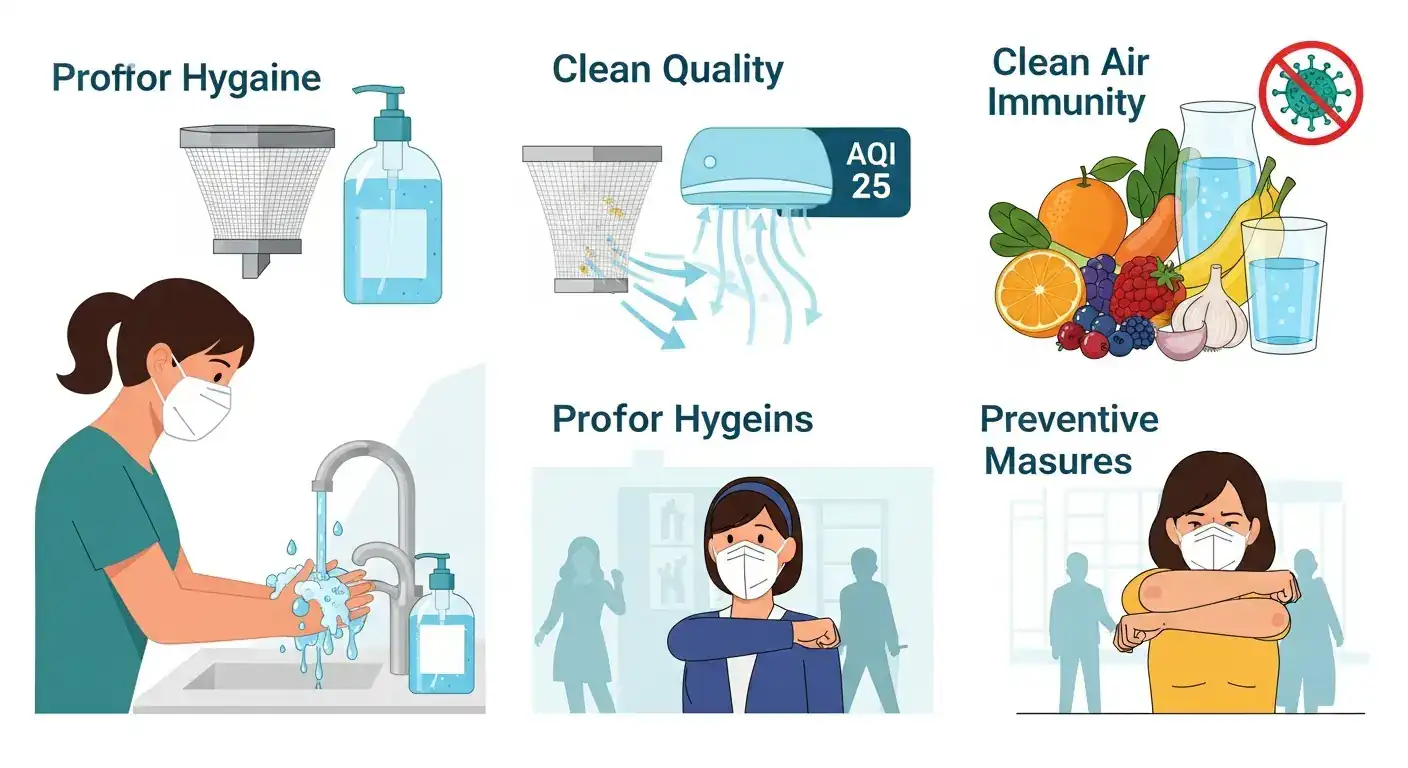
- Hygiene & Environment: Practice good hygiene and minimize exposure to environmental toxins.
- Proactive Measures: Consider vaccinations and regular health check-ups.
Understanding Your Immune System and Why It Matters for Disease Prevention
Your immune system is an intricate network of cells, tissues, and organs that work in concert to protect your body from illness. It's constantly learning and adapting, remembering past invaders to mount a quicker, more effective response in the future. A well-functioning immune system is not just about fighting off colds; it's fundamental for disease prevention, protecting against everything from chronic inflammation to certain types of cancer. When your immune system is compromised, you become more susceptible to infections and may experience longer recovery times, highlighting the critical need for proactive support.
Nutritional Pillars for Building Immunity and Resilience
Nutrition forms the bedrock of a strong immune system. What you eat directly impacts the functionality of your immune cells and the health of your gut microbiome, which plays a significant role in immune regulation. Prioritizing a balanced, nutrient-rich diet is a primary strategy for building immunity.
The Role of Essential Vitamins and Minerals in Immune Function
Specific micronutrients are vital for immune cell development and activity. Deficiencies can significantly impair your body's ability to fight off infections.
- Vitamin C: A powerful antioxidant, Vitamin C supports various cellular functions of both the innate and adaptive immune systems. Citrus fruits, bell peppers, and broccoli are excellent sources.
- Vitamin D: Often called the "sunshine vitamin," Vitamin D modulates both innate and adaptive immune responses. Low levels are linked to increased susceptibility to infection. Fatty fish, fortified dairy, and sunlight exposure are key.
- Zinc: Essential for immune cell development and communication, zinc deficiency can lead to impaired immune function. Found in meat, shellfish, legumes, and nuts.
- Selenium: This trace mineral acts as an antioxidant and is crucial for immune cell proliferation. Brazil nuts, seafood, and whole grains are good sources.
Antioxidant-Rich Foods and Phytochemicals for Immune Support
Antioxidants protect immune cells from damage caused by free radicals, which are byproducts of metabolism and environmental exposure. Phytochemicals, plant compounds, offer additional protective benefits. Berries, dark leafy greens, colorful vegetables, and green tea are packed with these beneficial compounds, contributing significantly to building immunity. A diet rich in these foods helps reduce oxidative stress and inflammation, creating a more favorable environment for immune function.
Hydration: An Often Overlooked, Always Crucial Factor
Adequate hydration is fundamental for overall health, including immune function. Water helps transport nutrients to cells, remove waste products, and maintain the integrity of mucous membranes, which are a first line of defense against pathogens. Dehydration can impair these processes, making your body more vulnerable. Aim for consistent water intake throughout the day to support your body's natural defenses.
Lifestyle Strategies for Enhanced Disease Prevention
Beyond diet, daily habits profoundly influence your immune system's strength. Integrating healthy lifestyle choices is a powerful approach to disease prevention.
Prioritizing Quality Sleep for Immune Resilience
Sleep is not merely a period of rest; it's a critical time for immune system repair and regeneration. During sleep, your body produces and releases cytokines, proteins that help fight infection and inflammation. Chronic sleep deprivation can suppress immune function, making you more susceptible to illness. Aim for 7-9 hours of quality sleep per night to optimize your body's natural defenses. A 2024 study published in Sleep Medicine Reviews highlighted that consistent sleep patterns significantly enhance the efficacy of immune responses, including vaccine effectiveness.
The Impact of Regular Physical Activity on Immunity
Moderate, regular exercise can boost your immune system by increasing the circulation of immune cells, helping them detect pathogens more effectively. It also reduces inflammation and stress hormones. However, excessive, intense exercise without adequate recovery can temporarily suppress immunity. The key is balance: aim for at least 150 minutes of moderate-intensity aerobic activity per week, coupled with strength training. For more information on this topic, readers can explore related articles on fitness and wellness.
Stress Management: A Critical Immune Modulator
Chronic stress is a known immune suppressant. It triggers the release of hormones like cortisol, which can inhibit the production of lymphocytes, the white blood cells that fight infection. Effective stress management techniques are therefore vital for building immunity.
- Mindfulness and Meditation: Regular practice can lower cortisol levels.
- Deep Breathing Exercises: Simple techniques to calm the nervous system.
- Hobbies and Social Connection: Engage in activities that bring joy and reduce feelings of isolation.
- Time in Nature: Spending time outdoors has been shown to reduce stress and improve mood.
Gut Health: The Foundation of a Strong Immune System
The connection between your gut and your immune system is profound, making gut health a cornerstone of digestive health disease prevention. Approximately 70-80% of your immune cells reside in your gut, and the balance of your gut microbiome directly influences immune function.
Probiotics and Prebiotics: Fueling Your Gut Microbiome
A diverse and balanced gut microbiome is essential for a robust immune response.
- Probiotics: These are beneficial live bacteria that, when consumed in adequate amounts, confer a health benefit to the host. They help maintain gut barrier integrity, compete with harmful pathogens, and modulate immune responses. Sources include fermented foods and supplements.
- Prebiotics: These are non-digestible food ingredients that selectively stimulate the growth and activity of beneficial bacteria in the colon. Found in foods like garlic, onions, leeks, asparagus, and bananas.
A 2023 review in the journal Gut emphasized that a diet rich in prebiotics and probiotics can significantly enhance immune cell activity and reduce the incidence of respiratory and gastrointestinal infections. This highlights a key differentiated insight: focusing on specific gut-modulating nutrients offers a targeted approach to building immunity.
Fermented Foods: Natural Immune Boosters
Fermented foods are a natural source of probiotics and offer a delicious way to support gut health.
- Yogurt and Kefir: Rich in various beneficial bacterial strains.
- Sauerkraut and Kimchi: Fermented cabbage provides lactic acid bacteria.
- Tempeh and Miso: Fermented soy products with probiotic benefits. Regular consumption of these foods can contribute to a diverse microbiome, supporting your body's natural disease prevention mechanisms.
Avoiding Gut-Damaging Habits
Certain habits can disrupt your gut microbiome and compromise immune function:
- Excessive Sugar Intake: Feeds harmful bacteria and can promote inflammation.
- Processed Foods: Often lack fiber and beneficial nutrients, and contain additives that can harm the gut lining.
- Overuse of Antibiotics: While sometimes necessary, antibiotics can indiscriminately wipe out beneficial gut bacteria.
- Chronic Stress: As mentioned, stress impacts gut motility and microbial balance.
Beyond Lifestyle: Additional Strategies for Disease Prevention
While diet and lifestyle are paramount, other strategies contribute to a comprehensive approach to building immunity.
Vaccination: A Cornerstone of Public Health
Vaccinations are one of the most effective public health interventions for preventing infectious diseases. They work by exposing your immune system to a weakened or inactive form of a pathogen, allowing it to develop antibodies and memory cells without causing illness. This prepares your body to mount a swift and effective response if it encounters the actual pathogen. Staying up-to-date on recommended vaccinations is a critical component of disease prevention.
Personal Hygiene Practices
Simple hygiene practices remain incredibly effective in preventing the spread of infections:
- Handwashing: Frequent and thorough handwashing with soap and water, especially before eating and after using the restroom.
- Respiratory Etiquette: Covering coughs and sneezes with a tissue or your elbow.
- Surface Cleaning: Regularly cleaning and disinfecting frequently touched surfaces.
Environmental Factors and Toxin Exposure
Minimizing exposure to environmental toxins, such as air pollution, pesticides, and certain chemicals, can reduce the burden on your immune system. These toxins can trigger inflammation and oxidative stress, diverting immune resources. Choosing organic foods, using natural cleaning products, and ensuring good indoor air quality are steps towards a healthier immune environment.
FAQ Section
Q: How quickly can I strengthen my immune system? A: While some benefits, like improved sleep or hydration, can be felt relatively quickly, truly strengthening your immune system is a gradual process. Consistent adherence to a nutrient-rich diet, regular exercise, stress management, and good sleep habits over weeks and months yields the most significant and lasting improvements. Think of it as building a strong foundation, not a quick fix.
**Q