Common Illness Prevention: Your Guide to Staying Healthy Year-Round
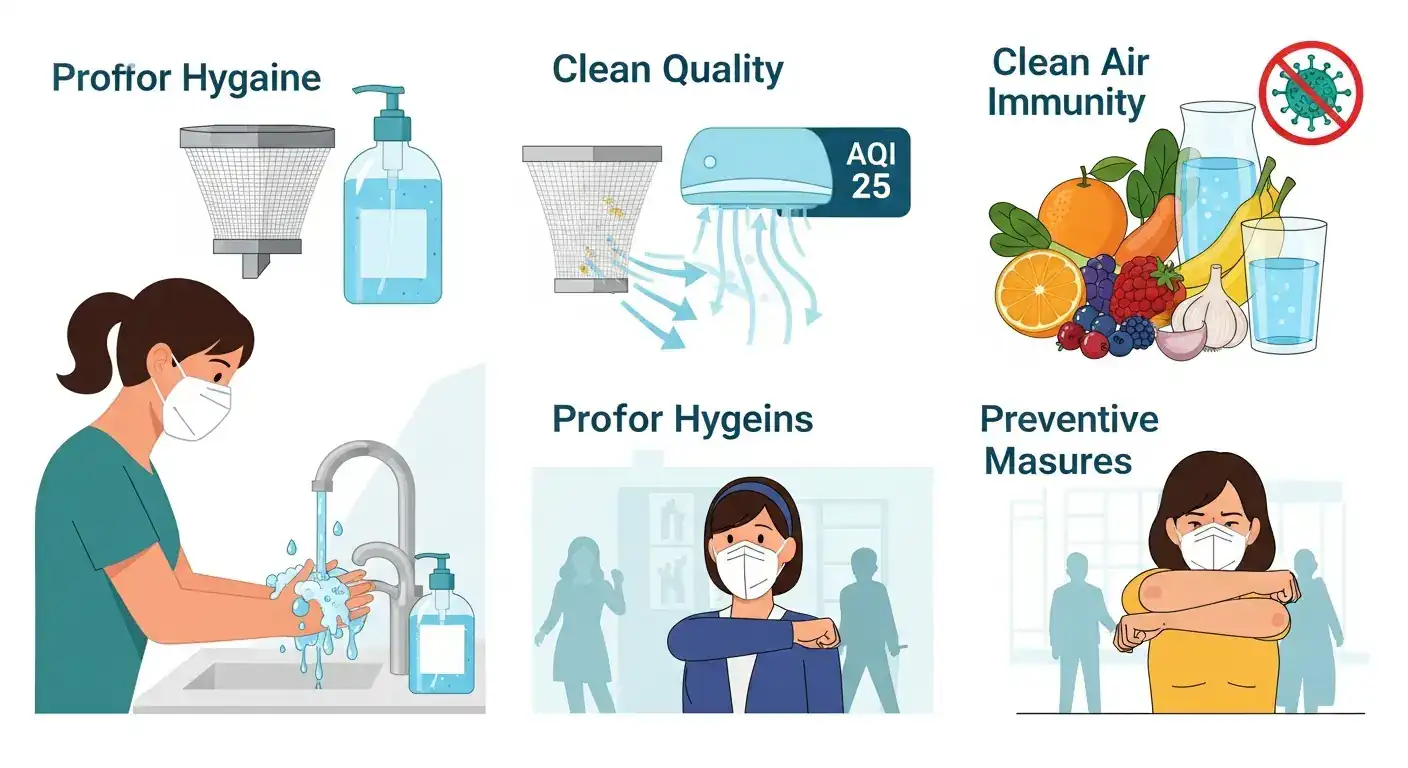
Staying healthy year-round is a proactive pursuit, not a reactive one. In a world where common illnesses like colds, flu, and other infectious diseases are prevalent, adopting effective prevention strategies is paramount. This guide offers a comprehensive approach to bolstering your defenses, ensuring you and your loved ones can navigate the seasons with confidence and vitality. We will delve into practical, evidence-based methods to minimize your risk of getting sick and enhance your overall well-being.
Key Points:
- Boost Immunity: Focus on nutrition, sleep, and stress management.
- Practice Good Hygiene: Handwashing and sanitation are crucial barriers.
- Stay Vaccinated: Utilize available immunizations for preventable diseases.
- Healthy Lifestyle: Incorporate regular exercise and hydration.
- Environmental Awareness: Understand and mitigate common risk factors.
Mastering Common Illness Prevention: A Holistic Approach
The journey to common illness prevention is multifaceted, encompassing daily habits, environmental considerations, and informed health choices. It’s about creating a robust defense system within your body and minimizing exposure to pathogens in your surroundings. By integrating a few key practices into your routine, you can significantly reduce your susceptibility to infections and enjoy a more consistent state of good health. This isn't just about avoiding the sniffles; it's about empowering your body's natural resilience.
The Pillars of a Strong Immune System
Your immune system is your body's first line of defense. Strengthening it is the cornerstone of effective illness prevention. This involves more than just taking supplements; it's about nurturing your body through fundamental lifestyle choices.
Nutrition: Fueling Your Defenses
A balanced diet rich in essential nutrients plays a vital role in immune function. Think of your diet as the foundation upon which a strong immune system is built.
- Vitamins and Minerals:
- Vitamin C: Found in citrus fruits, berries, and bell peppers, it's a powerful antioxidant.
- Vitamin D: Crucial for immune cell function, often obtained from sunlight and fortified foods.
- Zinc: Present in lean meats, nuts, and seeds, it’s essential for immune cell development.
- Selenium: Found in Brazil nuts and seafood, it helps reduce inflammation.
- Antioxidants: These compounds combat oxidative stress, which can weaken the immune system. Colorful fruits and vegetables are packed with them.
- Gut Health: A significant portion of your immune system resides in your gut. Consuming probiotics (fermented foods like yogurt, kefir, sauerkraut) and prebiotics (fiber-rich foods like onions, garlic, bananas) supports a healthy gut microbiome. According to research published in The Lancet Infectious Diseases (2024), gut health is increasingly recognized as a critical modulator of systemic immunity against viral pathogens.
Sleep: The Body's Repair and Recharge Time
Adequate sleep is not a luxury; it's a biological necessity for immune function. During sleep, your body repairs itself and produces cytokines, proteins that help fight inflammation and infection. Aim for 7-9 hours of quality sleep per night. Chronic sleep deprivation can significantly impair your immune response, making you more vulnerable to illness.
Stress Management: The Mind-Body Connection
Prolonged stress releases cortisol, a hormone that can suppress the immune system over time. Finding healthy ways to manage stress is crucial for common illness prevention.
- Mindfulness and Meditation: Even a few minutes daily can reduce stress hormones.
- Physical Activity: Regular exercise is a proven stress reliever.
- Hobbies and Social Connection: Engaging in enjoyable activities and maintaining social bonds provides emotional support.
Hygiene Habits: Your Daily Shield
Simple yet incredibly effective, good hygiene practices create a physical barrier against germs. Making these habits second nature is a cornerstone of preventing the spread of common illnesses.
The Power of Handwashing
Washing your hands frequently and thoroughly with soap and water for at least 20 seconds is one of the most effective ways to remove germs.
- When to Wash: Before eating, after using the restroom, after coughing or sneezing, after touching surfaces in public places, and after caring for someone who is sick.
- Hand Sanitizer: Use an alcohol-based hand sanitizer (at least 60% alcohol) when soap and water are not available.
Respiratory Etiquette
Preventing the spread of respiratory droplets is key to controlling the transmission of colds and flu.
- Cover Coughs and Sneezes: Use a tissue or your elbow, not your hands. Dispose of tissues immediately.
- Avoid Touching Your Face: Germs can easily enter your body through your eyes, nose, and mouth.
Cleaning and Disinfection
Regularly cleaning and disinfecting frequently touched surfaces in your home and workplace can reduce germ transmission. This includes doorknobs, light switches, countertops, and electronic devices.
Vaccination: A Proactive Defense Against Specific Illnesses
Vaccinations are a safe and highly effective way to prevent many serious infectious diseases. They work by stimulating your immune system to build defenses against specific pathogens without causing illness.
- Seasonal Flu Vaccine: Recommended annually for most individuals to protect against circulating strains of the influenza virus.
- COVID-19 Vaccines: Staying up-to-date with recommended COVID-19 vaccinations and boosters offers protection against severe illness and complications.
- Other Recommended Vaccines: Depending on age, occupation, and health status, other vaccines like pneumonia, meningitis, and pertussis vaccines are important for comprehensive protection. The Centers for Disease Control and Prevention (CDC) regularly updates vaccination guidelines, providing robust data on vaccine efficacy and safety (updated annually).
Lifestyle Choices: Sustaining Long-Term Health
Beyond immediate immune support, a consistently healthy lifestyle builds long-term resilience.
Regular Physical Activity
Exercise boosts circulation, which allows immune cells to move throughout your body more efficiently. It also helps reduce stress and improve sleep quality, both of which are vital for a strong immune system. Aim for at least 150 minutes of moderate-intensity aerobic activity or 75 minutes of vigorous-intensity activity per week, along with muscle-strengthening activities at least two days a week.
Staying Hydrated
Water is essential for all bodily functions, including the immune system. Proper hydration helps your body flush out toxins and supports the transportation of nutrients to cells. Aim to drink plenty of water throughout the day.
Avoiding Risky Behaviors
- Smoking: Damages lung tissue and impairs immune function, making you more susceptible to respiratory infections.
- Excessive Alcohol Consumption: Can weaken the immune system and make you more vulnerable to illness.
Environmental Factors and Common Illness Prevention
Your environment can significantly impact your health and susceptibility to illness. Being mindful of these factors can further enhance your prevention strategies.
Air Quality and Ventilation
Poor indoor air quality can exacerbate respiratory issues and increase the spread of airborne pathogens.
- Ventilation: Regularly opening windows, even for a short period, can improve air circulation and reduce the concentration of airborne viruses and bacteria. This is especially important in shared indoor spaces.
- Air Purifiers: Consider using high-efficiency particulate air (HEPA) filters in your home, particularly in bedrooms or common areas, to remove pollutants and allergens.
Managing Allergen Exposure
For individuals with allergies, managing allergen exposure is crucial. Allergies can sometimes mimic or worsen symptoms of illness, and a compromised respiratory system due to allergies can be more susceptible to infections. Keeping living spaces clean, using air purifiers, and following an allergist's recommendations are key.
Travel Precautions
Traveling can increase exposure to new pathogens. Implementing specific preventative measures before, during, and after travel is wise.
- Pre-travel Consultation: Consult your doctor about necessary vaccinations and health precautions for your destination.
- During Travel: Maintain strict hygiene, stay hydrated, and be mindful of food and water safety.
- Upon Return: Monitor your health for any new symptoms.
Differentiated Value: Latest Insights in Illness Prevention
While core principles of hygiene and nutrition remain constant, the landscape of common illness prevention is always evolving. Staying informed about the latest research offers a significant advantage.
The Gut-Brain-Immune Axis: A Deeper Connection
Recent research, including studies published in Nature Immunology (2025), is shedding light on the intricate communication network between the gut, brain, and immune system. This "gut-brain-immune axis" highlights how mental well-being directly influences immune responses. Emerging evidence suggests that interventions targeting this axis, such as mindful eating practices and specific probiotic strains, may offer novel avenues for enhancing immune resilience beyond traditional methods. This represents a shift towards a more integrated view of health, acknowledging that mental state and physical immunity are deeply intertwined.
Personalized Immunity and Epigenetics
The field of epigenetics is beginning to offer insights into how lifestyle and environmental factors can influence gene expression related to immunity, without altering the underlying DNA sequence. This means that factors like diet, stress, and exposure to toxins can have long-lasting effects on your immune system's ability to function. Future advancements in common illness prevention may involve personalized strategies based on an individual's epigenetic profile, allowing for more targeted interventions to optimize immune function. This level of personalization is a significant departure from one-size-fits-all approaches and represents the cutting edge of preventative health.
Frequently Asked Questions (FAQ)
Q1: How can I boost my immunity naturally? A1: Naturally boosting your immunity involves a holistic approach. Focus on a nutrient-rich diet full of fruits, vegetables, and whole grains, ensure adequate sleep (7-9 hours nightly), manage stress effectively through techniques like meditation or exercise, and stay well-hydrated. These fundamental habits support your body's intrinsic defense mechanisms.
Q2: What are the most important hygiene practices for illness prevention? A2: The most critical hygiene practices are frequent and thorough handwashing with soap and water for at least 20 seconds, covering coughs and sneezes with your elbow or a tissue, and avoiding touching your face. Regularly cleaning and disinfecting frequently touched surfaces also plays a significant role in limiting germ transmission.
Q3: Are there specific foods that help prevent illness? A3: While no single food can guarantee prevention, a diet rich in immune-supporting nutrients is key. Incorporate foods high in Vitamin C (citrus, berries), Vitamin D (fatty fish, fortified foods), zinc (nuts, seeds, lean meats), and antioxidants (colorful produce). Fermented foods like yogurt and kefir also support gut health, which is vital for immunity.
Q4: How often should I get a flu shot? A4: The flu shot is recommended annually for most individuals. Influenza viruses change over time, and immunity from vaccination declines throughout the year. Getting an updated vaccine each flu season ensures you have the best possible protection against the circulating strains of the virus.
Conclusion: Taking Charge of Your Health
Implementing these strategies for common illness prevention is an investment in your long-term well-being. By embracing a proactive approach that combines a robust immune system, diligent hygiene, smart lifestyle choices, and an awareness of your environment, you can significantly reduce your risk of falling ill. Remember that consistency is key, and small, sustainable changes can lead to substantial health benefits over time.
Don't wait until you're feeling unwell to prioritize your health. Start incorporating these practices today to build a stronger, more resilient you. We encourage you to share your own effective prevention tips in the comments below and subscribe to our newsletter for more health and wellness insights.
For further reading on strengthening your immune system, you might want to explore articles on nutrition for immunity and the impact of sleep on health. Discover how to create a healthier home environment to further protect yourself.