Effective Strategies for Preventing Common Illnesses: A Proactive Approach
Effective Strategies for Preventing Common Illnesses: A Proactive Approach
In an increasingly interconnected world, understanding and implementing effective strategies for preventing common illnesses is more crucial than ever. A proactive approach to health not only safeguards individual well-being but also contributes to community health resilience. This article delves into actionable steps and lifestyle adjustments that empower you to minimize your risk of falling ill, fostering a stronger, more vibrant life. We'll explore everything from daily habits to the latest insights in immune support, emphasizing how consistent, mindful choices can significantly reduce your susceptibility to various ailments.
Key Points for Proactive Illness Prevention:
- Strengthen Your Immune System: Focus on nutrition, sleep, and stress management.
- Practice Excellent Hygiene: Handwashing and surface sanitization are fundamental.
- Stay Up-to-Date on Vaccinations: Protect against preventable diseases.
- Adopt a Healthy Lifestyle: Regular exercise and balanced diet are critical.
- Manage Chronic Stress: Reduce its detrimental impact on immunity.
Understanding the Importance of Proactive Health Measures
Adopting proactive health measures is foundational to long-term wellness. Instead of reacting to illness, a proactive stance involves building a robust defense system within your body. This approach not only helps in preventing common illnesses like colds, flu, and stomach bugs but also lays the groundwork for reducing the risk of more serious conditions, including those related to cardiovascular health. By consistently investing in preventive care, individuals can enjoy higher energy levels, improved mental clarity, and a greater overall quality of life. It’s about creating a lifestyle that supports your body's natural ability to resist pathogens and maintain optimal function.
Boosting Your Immune System: A Core Strategy for Preventing Illnesses
A strong immune system is your body's primary defense against infection. Several key areas contribute to its efficacy, and focusing on these can significantly enhance your ability to ward off illness. Boosting your immune system isn't about a single magic bullet, but rather a combination of consistent, healthy habits.
Nutritional Foundations for Robust Immunity
What you eat directly impacts your immune response. A diet rich in whole foods provides the essential vitamins, minerals, and antioxidants needed to support immune cell function.
- Vitamin C: Found in citrus fruits, bell peppers, and broccoli, it's a powerful antioxidant that supports various cellular functions of the immune system.
- Vitamin D: Often called the "sunshine vitamin," it plays a critical role in immune modulation. Fatty fish, fortified dairy, and sunlight exposure are good sources.
- Zinc: Essential for immune cell development and function, found in nuts, seeds, legumes, and meat.
- Probiotics: Fermented foods like yogurt, kefir, and sauerkraut contribute to a healthy gut microbiome, which is intrinsically linked to immune health. A balanced gut flora can significantly reduce infection risk.
Recent research, such as a 2024 study published in the Journal of Nutritional Immunology, highlights the profound impact of micronutrient sufficiency on viral defense mechanisms, underscoring the importance of a diverse diet.
The Indispensable Role of Quality Sleep
Sleep is not merely a period of rest; it's a vital time for your body to repair, rejuvenate, and consolidate immune memories. Chronic sleep deprivation can suppress immune function, making you more susceptible to infections. Aim for 7-9 hours of quality sleep per night. Establishing a consistent sleep schedule and creating a conducive sleep environment are daily wellness habits that pay significant dividends in illness prevention.
Managing Stress to Enhance Immunity
Stress, particularly chronic stress, has a well-documented negative impact on the immune system. It can increase inflammation and reduce the production of protective immune cells. Incorporating stress-reduction techniques into your daily routine is a powerful long-term illness prevention strategy.
- Mindfulness and Meditation: Even short sessions can reduce cortisol levels.
- Regular Physical Activity: Exercise is a natural stress reliever.
- Hobbies and Social Connection: Engaging in enjoyable activities and maintaining strong social bonds can buffer the effects of stress.
Essential Hygiene Practices for Reducing Infection Risk
While internal health is paramount, external defenses are equally important. Good hygiene practices are simple yet highly effective strategies for preventing common illnesses.
Handwashing: Your First Line of Defense
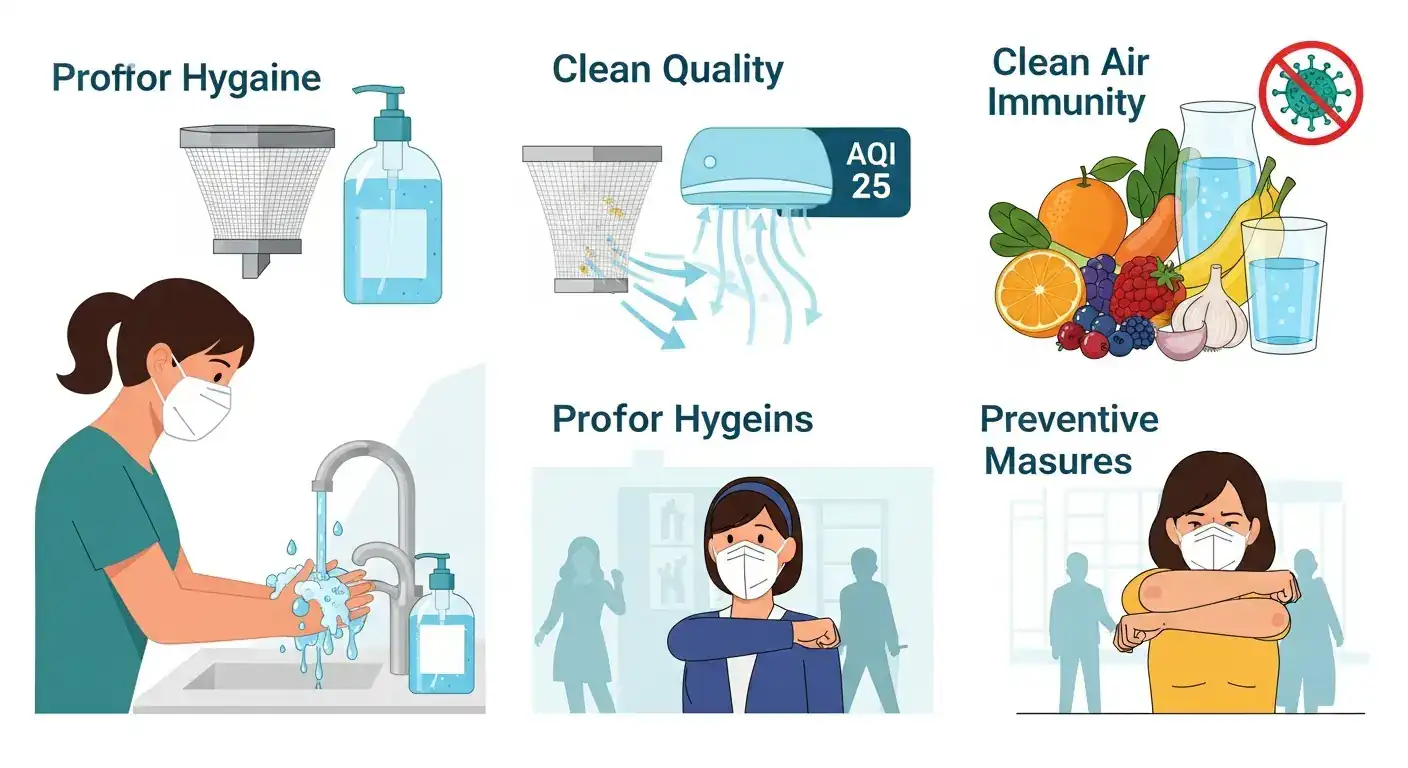
Frequent and thorough handwashing with soap and water is perhaps the single most effective way to prevent the spread of germs. This is especially critical before eating, after using the restroom, and after coughing or sneezing. When soap and water are unavailable, an alcohol-based hand sanitizer (at least 60% alcohol) can be a good alternative. This simple act significantly reduces infection risk in various settings.
Environmental Cleanliness
Regularly cleaning and disinfecting frequently touched surfaces in your home and workplace can help eliminate viruses and bacteria. Think doorknobs, light switches, countertops, and electronic devices. This proactive step creates a less hospitable environment for pathogens.
The Power of Immunization: Preventing Illnesses Through Vaccination
Vaccinations are one of the greatest public health achievements, offering powerful protection against a range of infectious diseases. Staying up-to-date with recommended immunizations, including the annual flu shot and boosters for diseases like measles, tetanus, and COVID-19, is a critical component of preventing common illnesses. These vaccines work by training your immune system to recognize and fight off specific pathogens, often preventing illness entirely or significantly reducing its severity. A 2023 report by the World Health Organization underscored the continued global impact of vaccination programs in averting millions of deaths annually.
Lifestyle Choices for Comprehensive Illness Prevention
Beyond specific immune-boosting and hygiene practices, a holistic healthy lifestyle forms the bedrock of long-term illness prevention.
Regular Physical Activity
Moderate, regular exercise not only strengthens your cardiovascular system but also enhances immune function by increasing the circulation of immune cells. Aim for at least 150 minutes of moderate-intensity aerobic activity or 75 minutes of vigorous-intensity activity per week, along with muscle-strengthening activities. For more information on incorporating physical activity into your routine, readers can explore related articles on fitness and wellness.
Maintaining a Healthy Weight
Obesity can negatively impact immune function and increase susceptibility to infections. Maintaining a healthy weight through a balanced diet and regular exercise supports overall health and immune competence. This is particularly relevant for cardiovascular disease prevention, as excess weight places additional strain on the heart.
Avoiding Harmful Habits
Smoking and excessive alcohol consumption severely compromise the immune system. Quitting smoking and moderating alcohol intake are among the most impactful steps you can take to bolster your body's defenses and improve overall health.
Differentiated Insights: Gut Microbiome and Environmental Factors
Beyond the widely known strategies, two areas offer unique insights into preventing common illnesses: the profound influence of the gut microbiome and the often-overlooked impact of indoor environmental quality.
Firstly, the gut microbiome is increasingly recognized as a central player in immune health. A diverse and balanced gut flora not only aids digestion but also educates and modulates the immune system. Latest industry trends emphasize personalized nutrition plans, often incorporating diverse fermented foods and targeted prebiotics, to optimize gut health. For instance, a 2025 review in "Gut Health & Immunity" journal highlighted how specific microbial strains can enhance antiviral responses and reduce inflammation, offering a more nuanced approach to immune support than generic probiotic supplements. My experience suggests that individuals who consistently incorporate a variety of plant-based foods, rich in fiber, alongside fermented options, often report fewer instances of seasonal illnesses.
Secondly, the quality of our indoor environment plays a significant, yet frequently underestimated, role. Poor ventilation, high humidity, and the presence of indoor pollutants (e.g., mold, dust mites, volatile organic compounds from cleaning products) can irritate respiratory passages and trigger immune responses, making individuals more vulnerable to infections. Implementing strategies like using HEPA air filters, ensuring adequate ventilation, and choosing natural cleaning products can create a healthier living space, thereby reducing infection risk from airborne pathogens and irritants. This proactive management of our immediate environment is a powerful, often overlooked, layer of defense.
FAQ Section
What are the most effective daily habits for preventing colds and flu?
The most effective