Effective Strategies for Preventing Common Illnesses: A Proactive Approach
Effective Strategies for Preventing Common Illnesses: A Proactive Approach
In an increasingly interconnected world, taking a proactive stance on health is more crucial than ever. This article delves into effective strategies for preventing common illnesses, empowering you to build a robust defense against everyday threats like colds, flu, and other infections. By adopting a holistic and preventative mindset, you can significantly reduce your risk of falling ill, enhance your overall well-being, and even support long-term health goals, including cardiovascular disease prevention. We'll explore practical, evidence-based methods that integrate seamlessly into your daily life, transforming reactive care into a powerful, proactive approach to health.
Key Points for Illness Prevention:
- Prioritize Hygiene: Regular handwashing and surface cleaning are fundamental.
- Boost Immunity: Focus on nutrient-rich diets, adequate hydration, and quality sleep.
- Manage Stress: Chronic stress weakens the immune system; practice relaxation techniques.
- Stay Active: Moderate exercise enhances immune function and overall vitality.
- Consider Vaccination: Leverage medical science for targeted protection against specific pathogens.
Understanding the Importance of Proactive Health Measures
Embracing proactive health measures is not just about avoiding sickness; it's about investing in a higher quality of life and sustained vitality. Rather than waiting for symptoms to appear, a proactive approach focuses on building resilience and strengthening your body's natural defenses. This mindset shift can lead to fewer sick days, increased productivity, and a greater capacity to enjoy life's moments. Furthermore, many of the habits that prevent common illnesses also contribute significantly to cardiovascular disease prevention, highlighting the interconnectedness of overall health. Reducing inflammation and maintaining a healthy immune system are beneficial across the board.
Core Pillars of Preventing Common Illnesses
Implementing a few fundamental practices can dramatically improve your resistance to illness. These pillars form the bedrock of any successful illness prevention strategy.
Hygiene Habits: Your First Line of Defense
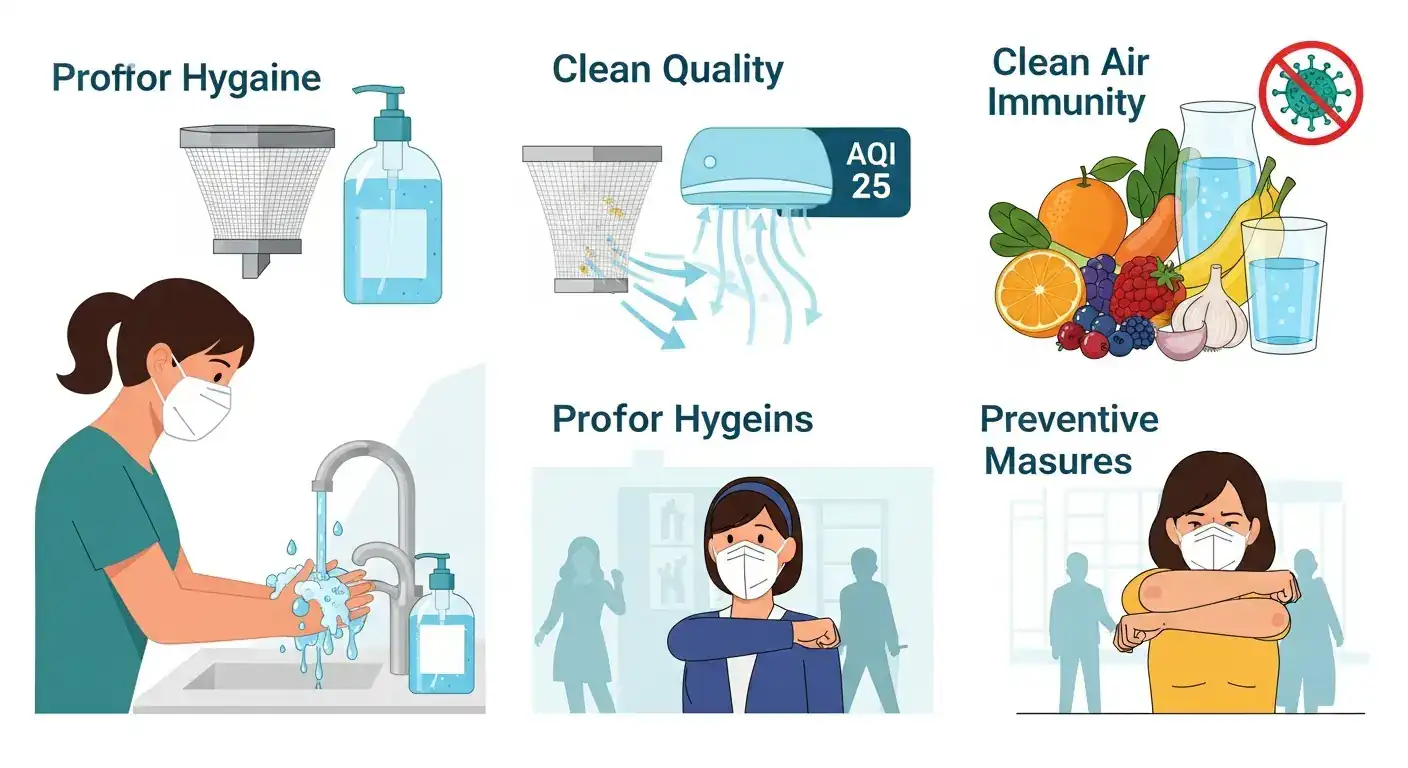
Good hygiene is arguably the simplest yet most impactful strategy. Regular and thorough handwashing is paramount. The Centers for Disease Control and Prevention (CDC) consistently emphasizes hand hygiene as a critical step in preventing the spread of infectious diseases. A study published in the American Journal of Infection Control in 2024 reaffirmed that proper handwashing with soap and water can reduce respiratory illnesses by 16-21%. Beyond hands, regularly cleaning frequently touched surfaces like doorknobs, light switches, and phone screens can also reduce infection risk.
Boosting Your Immunity Through Nutrition and Hydration
What you consume directly impacts your immune system's strength. A balanced diet rich in fruits, vegetables, lean proteins, and whole grains provides essential vitamins and minerals. Key nutrients like Vitamin C, Vitamin D, Zinc, and Selenium are vital for immune function. For instance, Vitamin D deficiency has been linked to increased susceptibility to infections. Staying adequately hydrated is equally important; water helps transport nutrients, regulate body temperature, and flush out toxins. For deeper insights into specific nutritional strategies, consider exploring our articles on dietary wellness.
Differentiated Content: Beyond basic nutrition, recent research, particularly a 2025 review in Gut Microbes, highlights the profound impact of the gut microbiome on immune health. Consuming fermented foods and prebiotic fibers can foster a diverse and healthy gut flora, which in turn strengthens your body's ability to fight off pathogens. This emerging understanding underscores the importance of a gut-friendly diet as a cutting-edge proactive health measure.
The Power of Quality Sleep and Stress Management
Sleep is not a luxury; it's a fundamental biological need that directly impacts your immune system. During sleep, your body produces protective proteins called cytokines, which fight infection and inflammation. Chronic sleep deprivation can suppress immune function, making you more vulnerable to illness. Aim for 7-9 hours of quality sleep per night. Similarly, chronic stress releases hormones like cortisol, which can weaken the immune response over time. Incorporating stress management techniques such as meditation, deep breathing exercises, or spending time in nature can significantly boost immunity and overall resilience. Readers interested in the connection between mental well-being and physical health can find more information in our dedicated section on stress management.
Regular Physical Activity for Long-Term Health Protection
Engaging in regular physical activity is a powerful tool for long-term health protection. Moderate exercise can enhance the circulation of immune cells, helping them detect and fight off pathogens more effectively. Activities like brisk walking, jogging, swimming, or cycling for 30 minutes most days of the week are beneficial. However, avoid overtraining, as extreme physical stress can temporarily suppress the immune system. Consistency is key to reaping the immune-boosting benefits of exercise.
Advanced Strategies for Reducing Infection Risk
While foundational habits are crucial, integrating advanced strategies can further fortify your defenses and reduce infection risk.
Vaccination: A Critical Tool in Illness Prevention
Vaccination remains one of the most effective public health interventions. Annual flu shots, tetanus boosters, and staying up-to-date with recommended immunizations provide targeted protection against specific diseases. This is especially important for vulnerable populations, including the elderly, young children, and individuals with chronic health conditions. Consulting your healthcare provider about recommended vaccines is a smart proactive health measure.
Environmental Factors and Air Quality
The air we breathe plays a significant role in our health. Poor indoor air quality, often laden with allergens, pollutants, and airborne pathogens, can irritate respiratory systems and compromise immunity. Ensuring adequate ventilation in homes and workplaces, using air purifiers with HEPA filters, and minimizing exposure to environmental toxins are important steps.
Differentiated Content: The rise of smart home technology offers new avenues for environmental health. Smart air quality monitors and integrated purification systems are becoming more accessible, providing real-time data and automated purification to maintain optimal indoor environments. This technological integration represents a modern approach to holistic illness prevention.
Mindful Supplementation and Probiotics
While a balanced diet is primary, certain supplements can play a supportive role, especially if there are dietary gaps. Vitamin D, Zinc, and Omega-3 fatty acids are often considered for immune support. Probiotics, beneficial bacteria for gut health, can also indirectly boost immunity by maintaining a healthy gut microbiome. From a public health perspective, it's crucial to emphasize that supplements should complement, not replace, a healthy diet and lifestyle. Always consult a healthcare professional before starting any new supplement regimen to ensure it's appropriate for your individual needs.
Integrating Daily Wellness Habits for Holistic Illness Prevention
The most effective strategies for preventing common illnesses are those that become ingrained daily wellness habits. Consistency in hygiene, nutrition, sleep, exercise, and stress management creates a powerful synergy that supports your immune system around the clock. Make these practices non-negotiable parts of your routine. Regular health check-ups also allow for early detection and intervention, which is vital for long-term health protection.
FAQ Section
Q1: How often should I wash my hands to prevent illness?
A1: You should wash your hands frequently throughout the day, especially before eating, after using the restroom, after coughing or sneezing, and after touching public surfaces. Aim for at least 20 seconds with soap and water. This consistent practice is a cornerstone of reducing infection risk.
Q2: Can diet alone prevent all common illnesses?
A2: While a nutrient-rich diet significantly strengthens your immune system and is a vital proactive health measure, it's not a sole guarantee against all illnesses. A holistic approach combining diet with good hygiene, adequate sleep, stress management, and vaccinations offers the most comprehensive protection.
Q3: What's the most important single step for boosting immunity?
A3: There isn'