Everyday Practices to Prevent Common Colds and Flu: Essential Wellness Habits for Illness Protection
Everyday Practices to Prevent Common Colds and Flu: Essential Wellness Habits for Illness Protection
Battling seasonal colds and flu can be disruptive, impacting work, school, and overall well-being. While complete immunity is often elusive, adopting everyday practices to prevent common colds and flu significantly strengthens your body's defenses. This comprehensive guide explores essential wellness habits that offer robust illness protection, moving beyond basic hygiene to encompass nutrition, lifestyle, and environmental awareness. By proactively integrating these strategies, you can reduce your risk of succumbing to seasonal sickness and maintain optimal health year-round.
- 🛡️ **Holistic Prevention:** Combine hygiene, nutrition, sleep, and stress management for comprehensive illness protection.
- 🥦 **Gut-Immune Link:** Prioritize gut health with probiotics and fiber for a stronger immune response.
- 💧 **Strategic Hydration:** Beyond water, consider electrolytes and herbal teas for enhanced immune support.
- 🔬 **Evidence-Based Habits:** Focus on practices backed by recent health research for maximum effectiveness.
- 💡 **Proactive Strategies:** Integrate environmental awareness and timely vaccinations into your prevention plan.
Understanding Cold and Flu Transmission: Why Prevention Matters
Common colds and influenza are primarily caused by viruses that spread through respiratory droplets released when an infected person coughs, sneezes, or talks. These droplets can land on surfaces or be inhaled directly, leading to infection. Understanding this transmission mechanism underscores why everyday practices to prevent common colds and flu are not just recommendations but critical proactive measures. By breaking the chain of infection, we significantly reduce our exposure and the viral load our immune systems must contend with. Prioritizing prevention means less downtime, fewer missed opportunities, and a generally healthier life.
Core Everyday Practices to Prevent Common Colds and Flu
Implementing foundational wellness habits is your primary defense against seasonal illnesses. These practices form the bedrock of robust illness protection and are simple enough to integrate into any daily routine.
Hand Hygiene: Your First Line of Defense
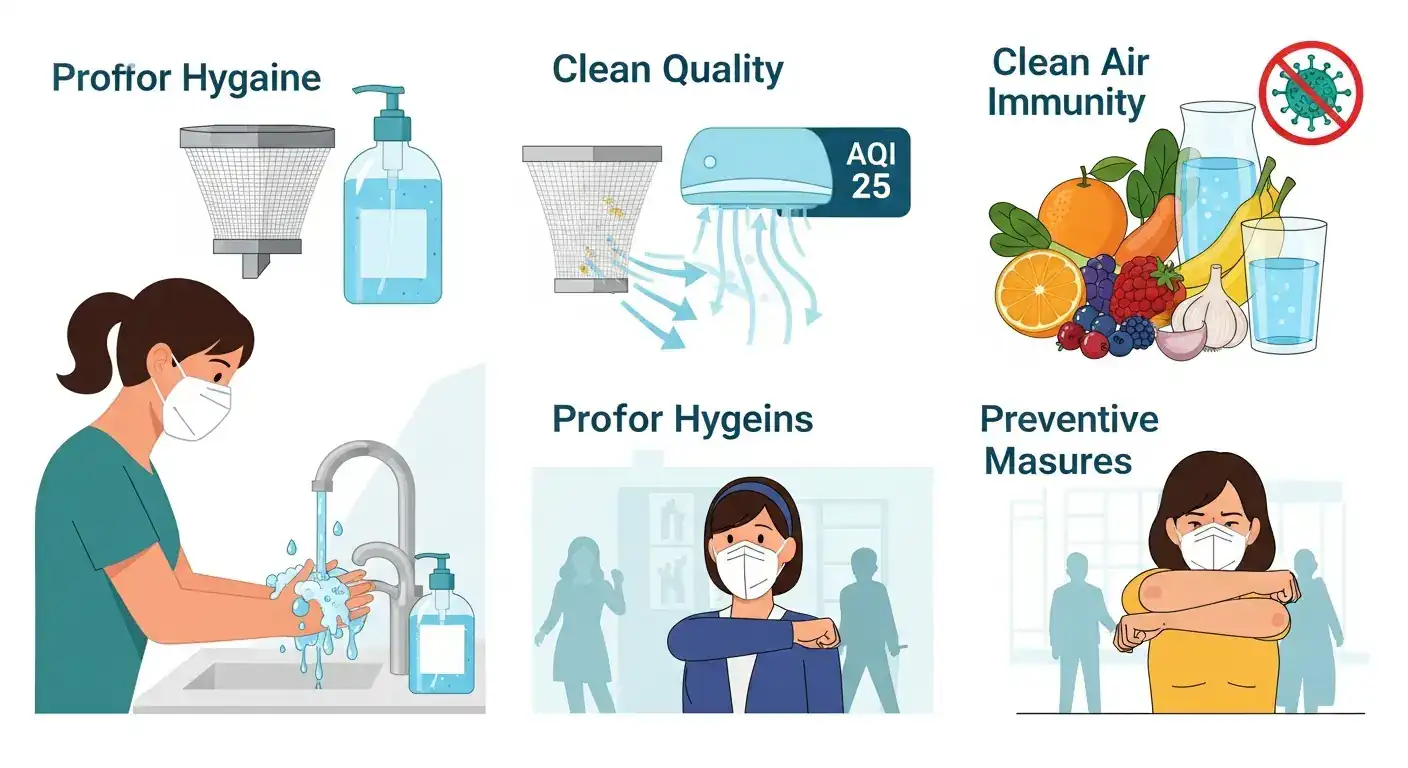
Regular and thorough handwashing remains one of the most effective ways to prevent the spread of germs. Viruses can survive on surfaces for hours, and touching your face with contaminated hands is a common route of infection.
- Frequent Washing: Wash hands with soap and water for at least 20 seconds, especially after coughing, sneezing, using the restroom, and before eating.
- Alcohol-Based Sanitizers: When soap and water are unavailable, use an alcohol-based hand sanitizer with at least 60% alcohol. This is a crucial habit for respiratory infection prevention.
- Avoid Touching Face: Make a conscious effort to avoid touching your eyes, nose, and mouth, as these are common entry points for viruses.
Boosting Your Immune System Through Nutrition
A well-nourished body is better equipped to fight off infections. Fueling your immune system requires a balanced intake of vitamins, minerals, and antioxidants.
- Whole Foods Focus: Emphasize a diet rich in fruits, vegetables, whole grains, and lean proteins. These provide essential nutrients.
- Key Vitamins and Minerals: Pay attention to Vitamin C (citrus fruits, bell peppers), Vitamin D (fatty fish, fortified foods, sunlight), and Zinc (nuts, beans, meat). These play vital roles in immune function.
- Stay Hydrated: Drinking plenty of water helps maintain mucous membrane health, which acts as a physical barrier against pathogens. For more in-depth guidance, consider exploring boosting immunity through a balanced diet.
Prioritizing Quality Sleep for Robust Immunity
Sleep is not merely rest; it's a critical period for immune system repair and rejuvenation. Chronic sleep deprivation can significantly weaken your body's ability to produce infection-fighting proteins and cells.
- Consistent Sleep Schedule: Aim for 7-9 hours of quality sleep per night for adults, going to bed and waking up at similar times daily.
- Optimize Sleep Environment: Ensure your bedroom is dark, quiet, and cool to promote deeper, more restorative sleep.
- Impact of Deprivation: Even a single night of poor sleep can compromise your immune response, making you more susceptible to illness.
Managing Stress to Enhance Illness Protection
Chronic stress elevates cortisol levels, a hormone that can suppress the immune system over time. Finding effective ways to manage daily stressors is essential for sustained illness protection.
- Mindfulness and Meditation: Incorporate practices like meditation, deep breathing exercises, or yoga to calm your nervous system.
- Regular Physical Activity: Moderate exercise is a powerful stress reliever and also directly supports immune health.
- Hobbies and Social Connection: Engage in activities you enjoy and maintain strong social bonds to foster mental well-being. Discovering effective stress management techniques can dramatically improve your resilience against illness.
Advanced Wellness Habits for Enhanced Illness Protection
Moving beyond the basics, incorporating these advanced strategies can provide an additional layer of defense, offering differentiated value in your prevention efforts.
The Gut-Immune Connection: A Differentiated Approach
Emerging research increasingly highlights the profound link between gut health and immune function. A healthy gut microbiome, teeming with beneficial bacteria, plays a crucial role in immune regulation.
- Probiotic-Rich Foods: Incorporate fermented foods like yogurt, kefir, sauerkraut, and kimchi into your diet to support a diverse gut flora.
- Prebiotic Fibers: Feed your good gut bacteria with prebiotics found in foods like garlic, onions, bananas, and oats. A 2023 review in Nature Microbiology highlighted the significant role of gut microbiota in modulating immune responses to respiratory pathogens, suggesting that a diverse gut flora can be a powerful asset in illness protection.
- Minimize Processed Foods: Reduce intake of sugar and highly processed foods, which can negatively impact gut diversity and promote inflammation.
Strategic Supplementation and Hydration
While a balanced diet is paramount, certain supplements, when used strategically, can complement your efforts in respiratory infection prevention.
- Vitamin D Optimization: Many individuals are deficient in Vitamin D, which is critical for immune function. Consult a healthcare professional about appropriate supplementation, especially in winter months.
- Elderberry Extract: Some studies suggest elderberry may help reduce the duration and severity of cold and flu symptoms if taken early.
- Electrolyte Balance: Beyond plain water, maintaining electrolyte balance, especially during illness or increased physical activity, supports cellular function and overall resilience. Herbal teas with honey and lemon can also offer soothing benefits.
The Role of Regular Physical Activity
Consistent, moderate exercise boosts circulation, which helps immune cells travel efficiently throughout the body. It also reduces inflammation and can flush bacteria from the lungs and airways.
- Moderate Intensity: Aim for at least 150 minutes of moderate-intensity aerobic activity per week, such as brisk walking, jogging, or cycling.
- Avoid Overtraining: Excessive, intense exercise without adequate recovery can temporarily suppress the immune system. Listen to your body and balance activity with rest.
Environmental and Social Strategies for Cold and Flu Season
Beyond personal habits, external factors and social awareness play a significant role in everyday practices to prevent common colds and flu.
Smart Social Distancing and Masking
While not always necessary, being mindful of your environment and taking strategic precautions during peak seasons or in crowded settings can be highly effective.
- Crowded Spaces: Consider wearing a high-quality mask in highly populated indoor areas, especially if you or someone you live with is immunocompromised.
- Symptom Awareness: If you feel unwell, stay home to prevent transmitting viruses to others. This simple act of collective responsibility is a powerful form of respiratory infection prevention.
Air Quality and Ventilation
Indoor air quality can significantly impact the spread and survival of respiratory viruses.
- Good Ventilation: Open windows regularly, even for short periods, to improve air circulation and reduce airborne viral particles.
- Air Purifiers: HEPA filter air purifiers can help remove airborne pathogens and allergens from indoor spaces.
- Optimal Humidity: Maintain indoor humidity between 40-60%. Too dry air can dry out mucous membranes, while too humid air can promote mold growth.
The Importance of Vaccinations and Annual Check-ups
Vaccinations are a cornerstone of public health and individual illness protection. They prime your immune system to recognize and fight specific pathogens.
- Annual Flu Shot: Get your annual flu shot, ideally before flu season peaks (typically late fall). While it doesn't guarantee you won't get the flu, it significantly reduces the risk of severe illness, hospitalization, and death. Data from the CDC's 2024 flu season report indicated that flu vaccination significantly reduced the risk of flu-associated hospitalizations by an estimated 40-70% across different age groups, underscoring its importance as a key component of respiratory infection prevention.
- Stay Up-to-Date: Ensure all recommended vaccinations are current, including COVID-19 boosters.
- Regular Medical Check-ups: Regular visits to your healthcare provider allow for early detection and management of underlying health conditions that could compromise your immune system.
Frequently Asked Questions (FAQ)
Q: How effective are everyday practices in preventing colds and flu?
A: Everyday practices are highly effective when adopted consistently. While no single strategy offers 100% immunity, combining hand hygiene, good nutrition, adequate sleep, and stress management significantly reduces the frequency, severity, and duration of colds and flu. These habits empower your immune system to mount a stronger defense against viral invaders, offering substantial illness protection.
Q: Are there specific foods that can help boost immunity against respiratory infections?
A: Yes, a diet rich in certain nutrients can support your immune system. Focus on foods high in Vitamin C (citrus, berries, leafy greens), Vitamin D (fatty fish, fortified milk), Zinc (nuts, beans, meat), and antioxidants (colorful fruits and vegetables). Incorporating fermented foods for gut health is also beneficial for respiratory infection prevention.
Q: When should I consider getting a flu shot, and how does it fit into prevention?
A: It's recommended to get a flu shot annually, typically in early fall, before flu activity begins to increase. The flu shot works by introducing inactivated virus particles to your immune system, allowing it to build protective antibodies without causing illness. It's a crucial component of everyday practices to prevent common colds and flu, offering targeted protection against prevalent strains and reducing severe outcomes.
Q: What's the role of air quality in preventing respiratory illnesses?
A: Good indoor air quality plays a significant role in preventing respiratory illnesses. Proper ventilation, such as opening windows, helps dilute airborne viral particles, reducing their concentration. Maintaining optimal indoor humidity (40-60%) can also inhibit virus survival and support respiratory tract defenses. Air purifiers with HEPA filters can further reduce airborne contaminants.
Conclusion: Embrace Proactive Wellness for Lasting Illness Protection
Adopting everyday practices to prevent common colds and flu is an investment in your long-term health and well-being. By integrating these essential wellness habits – from meticulous hand hygiene and immune-boosting nutrition to quality sleep, stress management, and smart environmental strategies – you create a formidable defense against seasonal illnesses. Remember, consistency is key, and even small changes can yield significant benefits in enhancing your illness protection.
This article reflects the most current understanding of respiratory infection prevention as of late 2025. Health guidance evolves, so staying informed is crucial.
Ready to strengthen your defenses? Start implementing these practices today! Share your favorite prevention tips in the comments below, or subscribe to our newsletter for more expert health insights.
For extended reading, consider exploring these related topics:
- Emerging Antiviral Technologies and Research for future prevention strategies.
- Personalized Prevention Plans Based on Genetic Factors for tailored immune support.
- The Role of Microbiome Testing in Tailored Immune Support, delving deeper into gut health.