Proactive Steps and Environmental Controls for Preventing Seasonal Allergy Flare-ups
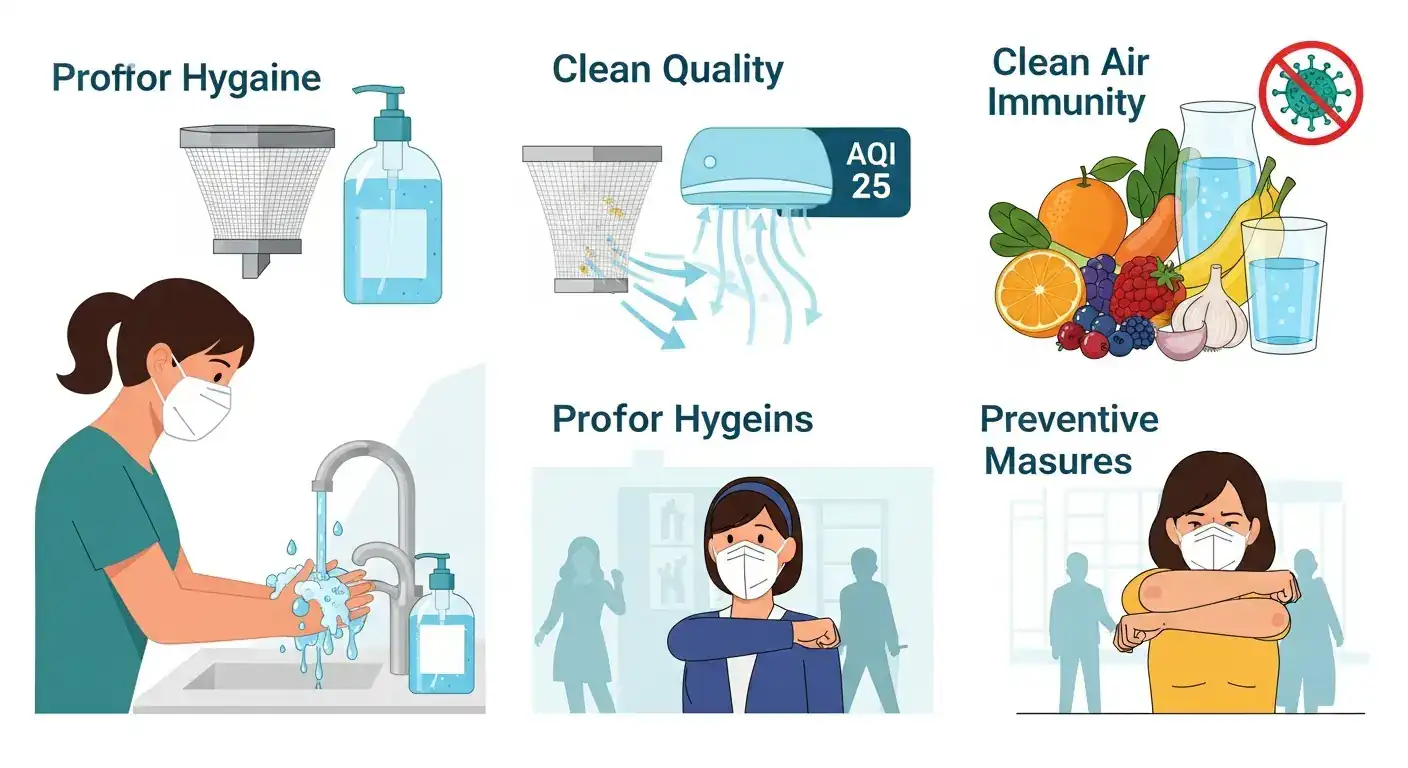
Proactive Steps and Environmental Controls for Preventing Seasonal Allergy Flare-ups
Seasonal allergies, a common affliction, can significantly disrupt daily life with symptoms like sneezing, itching, and congestion. Rather than simply reacting to symptoms, adopting proactive steps and environmental controls for preventing seasonal allergy flare-ups offers a more effective strategy for lasting relief. This comprehensive guide delves into evidence-based methods, from optimizing your immediate surroundings to integrating essential long-term habits. By understanding and implementing these strategies, you can minimize your discomfort and enjoy every season more fully, safeguarding your respiratory health effectively.
Key Points for Allergy Prevention:
- Monitor Pollen Forecasts: Stay informed about local allergen levels daily.
- Optimize Indoor Air Quality: Utilize HEPA filters and manage indoor humidity.
- Personal Hygiene Routines: Shower and change clothes after outdoor exposure.
- Targeted Cleaning Practices: Regularly clean to remove dust mites and dander.
- Dietary & Hydration Support: Enhance immune function through nutrition.
Understanding Seasonal Allergies and the Need for Proactive Prevention
Seasonal allergies, commonly known as hay fever or allergic rhinitis, result from an immune system overreaction to airborne particles such as pollen. While medications offer symptomatic relief, a preventative approach is often superior. Implementing proactive steps and environmental controls for preventing seasonal allergy flare-ups creates a vital protective barrier against these triggers before symptoms manifest. This strategy not only mitigates discomfort but also helps prevent secondary issues like sinus infections or exacerbated asthma.
Effective allergy management strategies are multifaceted. They combine understanding personal triggers with diligent monitoring of environmental conditions and consistent application of controls both inside and outside the home. The primary goal is to minimize allergen exposure, thereby reducing the frequency and intensity of allergic reactions, ensuring better respiratory health.
Key Environmental Controls for Indoor Allergy Prevention
Your home serves as your primary refuge, especially during peak allergy season. Establishing robust environmental allergy controls at home is therefore critical. These controls aim to significantly reduce common indoor allergens, including pollen that infiltrates from outdoors, alongside dust mites, pet dander, and mold.
1. Air Quality Management: Your First Line of Defense
Maintaining optimal indoor air quality is paramount and extends beyond routine dusting.
- HEPA Air Purifiers: Invest in high-efficiency particulate air (HEPA) purifiers for key living spaces like bedrooms. A 2024 review by the Environmental Protection Agency (EPA) highlighted that correctly sized HEPA filters capture up to 99.97% of airborne particles 0.3 microns in size, including pollen, dust mites, and pet dander. Ensure timely filter replacement.
- HVAC System Optimization: Install high-efficiency filters (MERV 11-13) in your heating, ventilation, and air conditioning (HVAC) system. Replace these filters every 1-3 months, particularly during allergy season. Running the HVAC fan continuously can also aid air filtration.
- Humidity Control: Maintain indoor humidity levels between 30-50%. Excessive humidity promotes mold and dust mite proliferation, while overly dry air can irritate nasal passages. Dehumidifiers are effective in damp areas like basements.
2. Targeted Cleaning Routines for Allergen Reduction
Consistent and focused cleaning is a fundamental proactive step against allergens.
- Vacuum with HEPA Filters: Utilize a vacuum cleaner equipped with a HEPA filter to prevent the recirculation of allergens. Vacuum carpets, rugs, and upholstery at least once or twice weekly.
- Damp Dusting: Use a damp cloth to wipe down surfaces, furniture, and blinds. This method effectively captures allergens, unlike dry dusting which can disperse them.
- Wash Bedding Frequently: Wash sheets, pillowcases, and blankets in hot water (at least 130°F or 54°C) weekly to eliminate dust mites. Consider allergen-proof covers for mattresses and pillows for added protection.
- Pet Dander Management: For pet owners, regular bathing of pets and designating pet-free zones, especially bedrooms, can help manage dander. Consistent grooming also reduces shedding.
Outdoor Strategies for Reducing Allergy Exposure
Despite meticulous indoor controls, outdoor exposure remains a primary trigger. Adopting smart outdoor habits can significantly reduce allergy symptoms naturally.
1. Monitor Pollen Counts and Weather Patterns
Knowledge empowers you in preventing seasonal allergy flare-ups.
- Daily Forecasts: Regularly check local pollen and mold forecasts through weather apps or specialized allergy websites.
- Optimal Outdoor Timing: Schedule outdoor activities for times when pollen counts are typically lower, such as late afternoon or evening, or after rainfall. Avoid early mornings, when pollen release is often highest.
- Windy Days: Limit time outdoors on windy days, as wind can substantially elevate airborne pollen levels.
2. Personal Protection and Hygiene
Simple routine adjustments can form an effective protective barrier.
- Shower and Change: Immediately after spending time outdoors, shower to rinse pollen from your skin and hair, and change into clean clothes. This prevents tracking allergens indoors.
- Wear Protective Gear: When gardening or engaging in yard work, wear a hat, sunglasses, and an N95 mask to minimize direct allergen exposure.
- Laundry Habits: Use a dryer for clothes instead of line-drying them outdoors, where they can collect pollen.
Differentiated Insights: Beyond the Basics of Allergy Management
Truly effective seasonal allergy prevention often incorporates nuanced, overlooked strategies that significantly enhance traditional advice.
Predictive Personal Allergy Management
Beyond reactive measures, a proactive approach integrates predictive management. This involves meticulously tracking your allergy symptoms in a diary and correlating them with local daily pollen forecasts. By observing patterns between specific allergen spikes (e.g., tree pollen in spring, grass pollen in summer, ragweed in fall) and your symptoms, you can often anticipate flare-ups days in advance. For example, if a forecast indicates a ragweed pollen surge, you might preemptively start nasal rinses or over-the-counter antihistamines. This targeted early intervention, a practice increasingly supported by clinical recommendations as per a 2025 report from the American Academy of Allergy, Asthma & Immunology (AAAAI), can significantly mitigate the immune response before it fully escalates. This personalized foresight offers a truly proactive step in managing individual allergic responses.
The Unsung Role of Car Cabin Filters and Thoughtful Laundry Routines
While home environments receive much attention, cars are often overlooked allergen reservoirs. Most modern vehicles feature cabin air filters, yet many owners neglect their replacement. Installing a HEPA-grade car cabin air filter and replacing it annually, or every 12,000-15,000 miles, can drastically reduce pollen and pollutants entering your vehicle. This practical, yet often ignored, environmental control makes commutes safer during allergy season. Furthermore, establishing a 'dirty clothes bin' immediately inside your entryway to deposit pollen-laden clothes upon returning home, rather than carrying them through the house, can notably reduce your indoor allergen load. These seemingly minor adjustments represent potent environmental controls for preventing seasonal allergy flare-ups that are frequently omitted from standard advice.
Nutritional Support and Lifestyle Adjustments
While environmental controls are paramount, supporting your body's resilience through diet and lifestyle can also assist in preventing seasonal allergy flare-ups.
- Hydration: Adequate hydration thins mucus, facilitating easier clearance of nasal passages.
- Balanced Diet: A diet rich in fruits, vegetables, and omega-3 fatty acids supports immune health and reduces systemic inflammation. Research, such as a study from the Journal of Nutritional Biochemistry in early 2023, suggests certain probiotics may modulate immune responses, potentially reducing allergy severity.
- Stress Management: Chronic stress negatively impacts the immune system. Incorporating stress-reducing practices like yoga, meditation, or ensuring sufficient sleep can indirectly bolster your body's capacity to cope with allergens.
For a deeper dive into overall respiratory health and preventative measures, consider exploring resources on respiratory infection prevention.
Frequently Asked Questions (FAQ)
How effective are air purifiers for seasonal allergies?
Air purifiers equipped with HEPA filters are very effective at removing airborne allergens such as pollen, dust mites, and pet dander from your indoor spaces. For maximum benefit, ensure the purifier's size matches the room's area, and replace filters according to the manufacturer's guidelines. Consistent use in high-traffic areas like bedrooms can significantly lower allergen exposure and alleviate allergy symptoms.
Can diet and supplements truly help prevent allergy flare-ups?
While diet and supplements are not a singular cure, they can play a supportive role in bolstering your immune system and reducing inflammation, potentially mitigating the severity of seasonal allergy flare-ups. A diet emphasizing anti-inflammatory foods like omega-3s, vitamin C, and quercetin-rich ingredients is beneficial. Always consult a healthcare professional before starting any new supplement regimen to ensure it's suitable for your health needs.
When should I start my allergy prevention efforts each season?
The most effective proactive steps for preventing seasonal allergy flare-ups begin before your typical allergy season commences. For tree pollen allergies, this means late winter; for grass pollen, early spring; and for ragweed, mid-summer. Monitoring local pollen forecasts and initiating preventative measures, like nasal rinses or over-the-counter medications, 1-2 weeks prior to your usual symptom onset can significantly lessen the severity of your allergy season.
Are there any simple, everyday habits that make a big difference?
Absolutely. Beyond major environmental controls, small daily habits contribute significantly to effective allergy management strategies. These include showering and washing your hair before bed to remove collected pollen, changing clothes immediately upon entering your home, and keeping windows closed during peak pollen periods. Regularly wiping down surfaces with a damp cloth and thoroughly cleaning your car's interior can also noticeably reduce your daily allergen exposure.
Conclusion: Embrace a Proactive Future Free from Allergy Flare-ups
Taking proactive steps and environmental controls for preventing seasonal allergy flare-ups is a crucial investment in your long-term health and quality of life. By diligently applying these strategies—from optimizing your indoor environment with HEPA filtration and targeted cleaning to smart outdoor habits and personalized symptom tracking—you can significantly reduce your exposure to allergens. Remember, consistency in these efforts is paramount, as even small, regular actions can yield substantial benefits.
Don't allow seasonal allergies to dictate your comfort. Empower yourself with knowledge and consistent action. We encourage you to share your own successful allergy prevention tips in the comments below! For further reading on refining your indoor air quality and managing common household allergens, consider exploring our article on choosing the right air purifier for your home. By staying informed and proactive, you can look forward to healthier, more comfortable seasons ahead.
Further Reading Suggestions:
- Understanding common seasonal allergens and their impact.
- The link between gut health and allergic responses.
- Innovations in personalized allergy treatment.