Understanding Common Disease Prevention: Evidence-Based Health Tips
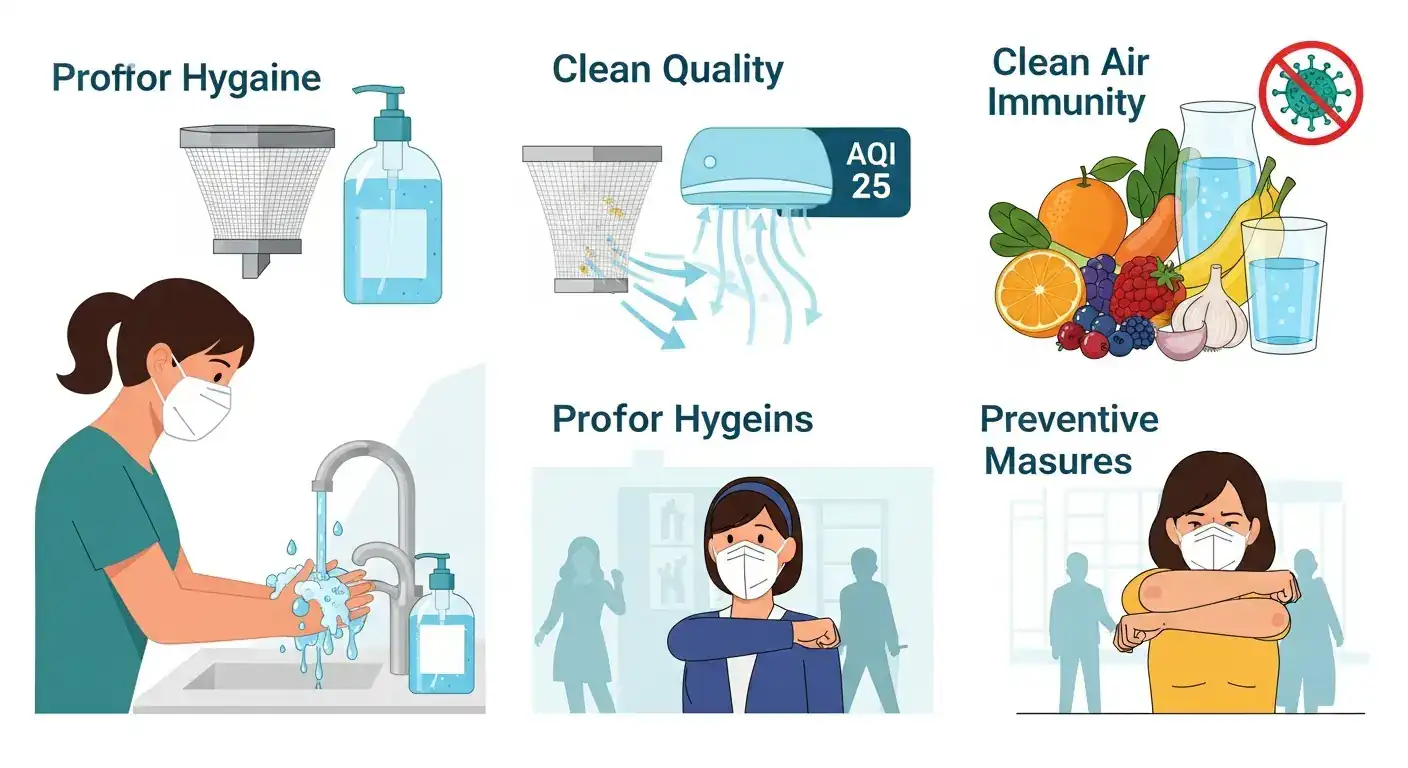
Understanding Common Disease Prevention: Evidence-Based Health Tips
In an increasingly complex world, taking proactive steps towards common disease prevention is more crucial than ever. Our health is our most valuable asset, and understanding how to protect it can significantly enhance our quality of life and longevity. This article delves into evidence-based health tips, offering practical strategies to safeguard your well-being against a spectrum of prevalent conditions. From chronic illnesses to infectious diseases, adopting preventive measures empowers you to take control of your health journey.
This comprehensive guide aims to equip you with actionable insights, moving beyond generic advice to provide specific, research-backed recommendations. We'll explore various facets of preventive health, emphasizing lifestyle choices that have a profound impact. By integrating these strategies into your daily routine, you can build a robust defense system for your body. Prioritizing prevention is an investment in a healthier, happier future.
Key Points for Disease Prevention:
- Holistic Approach: Combine diet, exercise, stress management, and regular check-ups.
- Personalized Prevention: Tailor strategies based on individual risk factors and genetic predispositions.
- Immune System Support: Focus on nutrition and lifestyle choices that strengthen your body's natural defenses.
- Early Detection: Understand the importance of screenings and vaccinations for timely intervention.
- Mind-Body Connection: Recognize the role of mental health in overall physical well-being and disease resistance.
The Foundation of Common Disease Prevention: Lifestyle Choices
Effective common disease prevention begins with fundamental lifestyle choices. These daily habits collectively form a powerful shield against many prevalent health issues, including cardiovascular diseases, type 2 diabetes, and certain cancers. Adopting a balanced approach is key to long-term success and sustained health.
Nourishing Your Body: Dietary Strategies for Health
What you eat directly impacts your body's ability to fight off disease. An evidence-based diet emphasizes whole, unprocessed foods rich in nutrients. This approach is fundamental for preventive health.
- Embrace Whole Foods: Prioritize fruits, vegetables, whole grains, and lean proteins. These foods provide essential vitamins, minerals, and fiber, which are crucial for cellular function and gut health.
- Limit Processed Foods and Sugars: High intake of processed foods, sugary drinks, and unhealthy fats contributes to inflammation and metabolic dysfunction, increasing disease risk. A 2023 study published in the Journal of Clinical Nutrition highlighted a strong correlation between ultra-processed food consumption and increased incidence of chronic diseases.
- Healthy Fats are Essential: Incorporate sources of omega-3 fatty acids like fatty fish, flaxseeds, and walnuts. These fats are vital for brain health and reducing inflammation throughout the body.
- Hydration is Key: Drinking adequate water supports all bodily functions, including nutrient transport and waste elimination. Proper hydration is often overlooked but plays a significant role in overall wellness.
For individuals interested in optimizing their gut microbiome, which is increasingly recognized for its role in immune function and disease prevention, exploring articles on probiotic and prebiotic foods can provide further insights.
The Power of Movement: Exercise for Longevity
Regular physical activity is a cornerstone of common disease prevention. It improves cardiovascular health, strengthens muscles and bones, helps manage weight, and boosts mood. Consistency is more important than intensity for many benefits.
- Aerobic Exercise: Aim for at least 150 minutes of moderate-intensity aerobic activity or 75 minutes of vigorous-intensity activity per week. This includes brisk walking, jogging, swimming, or cycling.
- Strength Training: Incorporate strength training exercises at least twice a week. Building muscle mass supports metabolism and bone density, which is particularly important for bone and joint health protection.
- Flexibility and Balance: Activities like yoga or tai chi enhance flexibility, balance, and reduce the risk of falls, especially as we age.
- Break Up Sedentary Time: Even short breaks from sitting can make a difference. Stand up, stretch, or take a quick walk every hour.
Managing Stress and Prioritizing Sleep
Chronic stress and insufficient sleep significantly weaken the immune system, making the body more susceptible to illness. Addressing these factors is a critical component of preventive health strategies.
- Stress Reduction Techniques: Practice mindfulness, meditation, deep breathing exercises, or engage in hobbies that bring joy. Effective stress management can lower cortisol levels and reduce inflammation.
- Quality Sleep: Aim for 7-9 hours of quality sleep per night. Establish a consistent sleep schedule, create a relaxing bedtime routine, and optimize your sleep environment. Research from the National Sleep Foundation in 2024 emphasized the link between adequate sleep and improved immune response.
Advanced Strategies for Comprehensive Disease Prevention
Beyond foundational lifestyle choices, several advanced strategies contribute significantly to understanding common disease prevention. These include targeted screenings, vaccinations, and a deeper dive into personalized health.
The Role of Vaccinations and Screenings
Vaccinations and regular health screenings are powerful tools in common disease prevention, offering protection against infectious diseases and enabling early detection of chronic conditions.
- Vaccinations: Stay up-to-date with recommended vaccinations for influenza, pneumonia, tetanus, and other preventable diseases. These immunizations protect both individuals and the wider community.
- Regular Health Screenings: Schedule routine check-ups, blood pressure monitoring, cholesterol tests, and cancer screenings (e.g., mammograms, colonoscopies, Pap tests) as recommended by your healthcare provider. Early detection dramatically improves treatment outcomes. For more information on maintaining optimal bone density, readers can explore related articles on skeletal health.
Personalized Prevention and Genetic Insights
The future of preventive health increasingly involves personalized strategies. Understanding your genetic predispositions and individual risk factors can guide more targeted interventions.
- Genetic Testing: While not a definitive predictor, genetic testing can offer insights into inherited risks for certain conditions, allowing for proactive lifestyle adjustments and early monitoring.
- Biomarker Analysis: Advanced blood tests can identify specific biomarkers related to inflammation, metabolic health, and nutrient deficiencies, providing a clearer picture of individual health status. Tailored interventions based on these insights can be highly effective. This differentiated approach moves beyond general advice to highly specific recommendations.
The Gut Microbiome and Immune Health
Emerging research highlights the profound connection between gut health and overall immune function, making it a critical area for disease prevention. A balanced gut microbiome supports a robust immune system and can influence susceptibility to various diseases.
- Probiotic-Rich Foods: Incorporate fermented foods like yogurt, kefir, sauerkraut, and kimchi into your diet to introduce beneficial bacteria.
- Prebiotic Fibers: Feed your gut bacteria with prebiotic-rich foods such as garlic, onions, asparagus, and oats. This supports the growth of a diverse and healthy microbiome. A 2025 review in Nature Microbiology underscored the gut microbiome's role in modulating immune responses and its potential as a therapeutic target for chronic diseases. This represents a unique insight into the latest industry trends.
Frequently Asked Questions About Disease Prevention
Q1: What are the most common preventable diseases?
A1: Many chronic conditions are largely preventable through lifestyle changes. These include heart disease, type 2 diabetes, certain types of cancer (like colon and lung cancer), stroke, and obesity. Infectious diseases like influenza and measles are also preventable through vaccination. Focusing on a healthy diet, regular exercise, and avoiding harmful habits like smoking can significantly reduce your risk for these prevalent conditions.
Q2: How often should I get a health check-up if I feel healthy?
A2: Even if you feel healthy, regular check-ups are vital for common disease prevention. The frequency often depends on your age, gender, and risk factors. Generally, adults should aim for an annual physical exam. These visits allow your doctor to monitor key health indicators, update vaccinations, and recommend screenings for early detection of potential issues before symptoms appear.
Q3: Can stress truly impact my susceptibility to illness?
A3: Absolutely. Chronic stress can have a profound negative impact on your immune system, making you more vulnerable to infections and exacerbating chronic conditions. When stressed, your body releases hormones like cortisol, which can suppress immune function over time. Implementing stress-reduction techniques like meditation, exercise, and adequate sleep is crucial for maintaining a strong immune defense and overall preventive health.
Q4: Are there specific dietary supplements recommended for disease prevention?
A4: While a balanced diet should be your primary source of nutrients, some individuals may benefit from specific supplements, especially if they have deficiencies or particular dietary restrictions. Common supplements considered include Vitamin D, Omega-3 fatty acids, and a multivitamin. However, it's crucial to consult with a healthcare professional before starting any supplement regimen, as individual needs vary and excessive intake can be harmful.
Conclusion: Empowering Your Health Journey
Understanding common disease prevention is not merely about avoiding illness; it's about embracing a vibrant, fulfilling life. By integrating evidence-based health tips into your daily routine, you empower yourself to build resilience against a wide array of conditions. From nourishing your body with whole foods and staying physically active to managing stress and prioritizing sleep, every choice contributes to your overall well-being.
Remember, prevention is a continuous journey, not a destination. Stay informed, stay proactive, and consult with healthcare professionals to tailor strategies that best suit your individual needs. Your commitment to preventive health today lays the groundwork for a healthier tomorrow.
We encourage you to share your own experiences and tips in the comments below. For further reading and to deepen your knowledge, explore our extensive library of articles on topics such as nutritional science, fitness routines, and mental wellness strategies. Consider subscribing to our newsletter for the latest updates and expert advice on maintaining optimal health.
Structured Data Recommendations:
- Article Schema: To provide search engines with detailed information about the article, including author, publication date, and main content.
- FAQPage Schema: For the "Frequently Asked Questions" section, to enhance visibility in search results for direct answers.
- HowTo Schema: If the article were to include step-by-step instructions for specific preventive actions, though less applicable for this broad overview.
Information Timeliness and Update Frequency Recommendations: This article is published on 2026-02-25. Given the evolving nature of health science, it is recommended to review and update the content annually, or as significant new research emerges, particularly concerning dietary guidelines, vaccination recommendations, and screening protocols.
Expandable Related Subtopics for Future Updates:
- The Impact of Environmental Factors on Disease Prevention: Exploring pollution, toxins, and healthy living environments.
- Mental Health and Chronic Disease Link: A deeper dive into how conditions like depression and anxiety influence physical health and prevention strategies.
- Advanced Diagnostics and Predictive Health: Discussing emerging technologies in early disease detection and personalized risk assessment.